




📑 Table of Contents
Aluminium foil is one of those everyday items so ubiquitous that most of us never stop to think about it — until we run out. From wrapping leftover lasagna to lining baking sheets and shielding delicate fish in the oven, this thin, silvery sheet has earned its place in kitchens, factories, and laboratories around the world. But what exactly is aluminium foil? How is it made? And in an age of growing environmental awareness, are there better alternatives?
This comprehensive guide explores everything you need to know about aluminium foil: its types, its countless applications, the substitutes available, and the environmental and health considerations that come with using it.
Part 1: What Is Aluminium Foil?
Aluminium foil is a very thin sheet of aluminium metal. According to the ISO definition, to be classified as foil, the material must be between 0.006 mm and 0.2 mm (200 µm) in thickness. Anything thicker is generally considered sheet metal rather than foil.
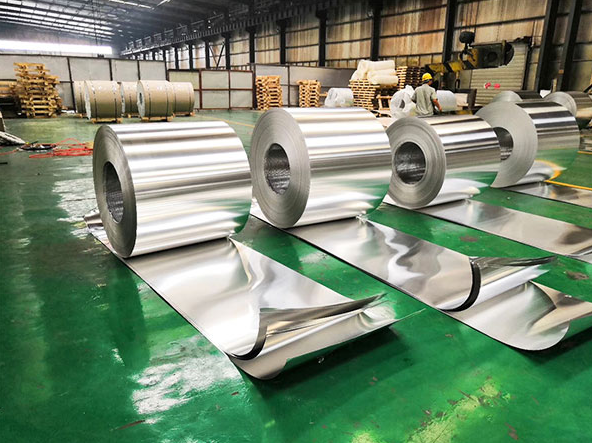
The story of aluminium foil begins with bauxite, an ore that contains aluminium. Bauxite is refined to produce alumina (aluminium oxide), and then an electric current is passed through the alumina in a process called electrolytic reduction to extract pure aluminium metal. Today, more than 63 million tonnes of new aluminium metal is produced worldwide each year, and an increasing proportion comes from recycled sources.
How Aluminium Foil Is Made
The manufacturing process involves several stages. First, heated ingots are rolled down (hot rolling) into coils between 2 and 4 mm thick. These coils are then successively cold rolled to the required foil thickness. For the thinnest foils — typically those used in household kitchens — two layers are rolled simultaneously, a technique called double rolling. This creates the characteristic difference between the shiny and matte sides: the matte side is the inner surface during double rolling. After rolling, the large reels are slit to the widths needed for various end uses — household foil, flexible packaging, foil containers, heat exchanger foil, and more.
Modern rolling techniques can now produce foils as thin as 6.5 microns without sacrificing strength, using up to 30% less raw material while maintaining barrier performance.
Part 2: Types of Aluminium Foil
Not all aluminium foil is the same. Depending on thickness, alloy composition, and surface treatment, foil can be tailored for vastly different applications.
By Thickness
| Type | Thickness Range | Typical Applications |
|---|---|---|
| Ultra-thin / Light Gauge | 6–12 microns | Flexible packaging, candy wrappers, cigarette packs |
| Standard Household Foil | 12–18 microns | Home cooking, food storage, baking, grilling |
| Heavy-duty Foil | 18–40 microns | Barbecue trays, catering, industrial wrapping |
| Industrial Foil | 40–120 microns | Insulation, heat exchangers, aerospace components |
| Extra-heavy Foil | Up to 200 µm | Semi-rigid containers, lidding foils |
By Alloy Series
Aluminium foil is produced from different alloy series, each offering distinct characteristics:
- 1xxx Series (Pure Aluminium): Used for packaging, electrical applications, and chemical industries. Virtually pure aluminium with excellent corrosion resistance and conductivity.
- 3xxx Series (Aluminium-Manganese): Added strength while maintaining formability, commonly used for foil containers and fin stock.
- 8xxx Series (Other Alloys): Designed for specific properties such as increased strength or reduced thickness.
Specialized Foil Products
- Non-stick Foil: Coated to prevent baked-on food from sticking — invaluable for roasting and baking.
- Black/One-side Coated Foil: Black on one side to transfer radiant heat more efficiently, ideal for roasting.
- Laminated Foil: Combined with paper or plastic to create flexible packaging materials for coffee bags, juice cartons, and crisp packets.
Part 3: Uses of Aluminium Foil
Household and Kitchen Uses
Aluminium foil is a true multitasker in the kitchen. A 2024 consumer survey across six major European markets found that 67% of respondents use aluminium foil primarily to wrap or cover food and leftovers. Beyond that:
- Cooking: Roasting meat and poultry, cooking ‘en papillote’, baking, and grilling.
- Food Storage: Wrapping sandwiches, covering leftovers, freezer wrapping, creating makeshift storage containers.
- Cleaning and Kitchen Hacks: Crumpled foil as a scrubber, lining cabinets, lining air fryers, improvising a pastry bag.
- Beyond the Kitchen: Preventing paintbrushes from drying out, temporary drip trays, lining greenhouse shelves, protecting flower pots.
Industrial and Commercial Uses
Beyond the household, aluminium foil plays essential roles across numerous industries.
- Food and Beverage Packaging: Absolute barrier to light, gases, and moisture. For 1 litre of fruit juice in a carton, just 1.5 grams of aluminium more than doubles ambient shelf‑life.
- Electronics and Electrical Applications: Like Aluminum Foil Bag for Electronic Components, Shielding against EMI/RFI, heat dissipation liners, transformers, capacitors.
- Construction and Insulation: Reflective thermal insulation in HVAC, building panels, roofing.
- Aerospace and Automotive: Thermal wraps, heat shields, sound dampening, improving fuel efficiency.
- Pharmaceuticals and Medical: Sterile packaging, blister packs, safe due to high‑temperature annealing.
Part 4: Substitutes and Alternatives to Aluminium Foil
As environmental awareness grows, many consumers and industries are seeking alternatives. Here are the most promising options.
- Beeswax Wraps: Natural, reusable >1 year, compostable. Great for covering bowls and wrapping cheese or vegetables, but cannot be used with direct heat.
- Steel Foil: Emerging industrial alternative. Highly recyclable, degrades into harmless rust, can replace aluminium in packaging when combined with degradable paper.
- Reusable Silicone Lids and Containers: For covering and storing leftovers. 54% of EAFA survey respondents use cling film as alternative, 50% use resealable containers.
- FauxFoil™ / Metallized Films: Industrial masterbatch technology that mimics aluminium while lowering carbon footprint.
- Compostable & Plant‑based Materials: Sugarcane bagasse, biopolymer‑coated foils. Currently more expensive, but developing rapidly.
Part 5: Environmental and Health Considerations
Environmental Impact
Aluminium foil has a complex environmental story. Primary production is energy‑intensive: 15,000 kWh per tonne. Bauxite mining leaves “red sludge”. However, aluminium is infinitely recyclable using just 5% of the energy of primary production. Global recycling rate for foil is 50–60% (Europe 50–70%, US 20–35%). Clean industrial scrap recycles at over 75%.
Health and Safety
When used properly, aluminium foil is considered safe for food contact. However, leaching can occur with acidic, salty, or alkaline foods during cooking. Studies show using foil with tomato juice or vinegar can lead to aluminium intake above WHO guidelines. Best practices:
- ✓ Use foil for cold storage and wrapping, not cooking acidic/salty dishes.
- ✓ Avoid direct contact with highly spiced or marinated foods at high heat.
- ✓ Use silicone baking mats or grilling trays instead.
- ✓ Always recycle clean foil.
Conclusion
Aluminium foil is remarkably versatile – an absolute barrier that extends shelf life, reduces food waste, and serves industries from electronics to aerospace. The industry has made progress in lightweighting (30% less material) and recycling (95% less energy), yet challenges remain in consumer recycling rates and mining impacts. For everyday use, be mindful: use foil for cold storage, switch to beeswax wraps or silicone containers for bowl covering, avoid cooking acidic foods directly in foil, and always recycle. Used wisely, aluminium foil remains a convenient, resource‑efficient tool.
Frequently Asked Questions (FAQs)
- Is aluminium foil recyclable? Yes – 100% recyclable indefinitely. Clean foil is essential; food residue hinders recycling.
- Can I put aluminium foil in the microwave? Generally no. Arcing can occur. Small pieces may shield food only if they don’t touch oven walls.
- Does the shiny side or matte side matter? No functional difference. The shiny side is from mill rollers; both perform identically.
- Is cooking with aluminium foil safe? For cold storage, yes. For cooking, avoid acidic, salty or highly spiced foods to minimise leaching.
- What is the best eco‑friendly alternative to aluminium foil? For everyday kitchen use, beeswax wraps and reusable silicone lids. For industrial packaging, steel foil and metallised films are promising.



Leave a Reply